-(1).png)

Brooklyn home cleaning: The equipment standards that actually matter for your health
Beyond the visible clean. In the first part of our exploration into the science of professional cleaning, we examined why the equipment used by trained technicians fundamentally differs from consumer grade alternatives available to homeowners. We established that professional tools deliver superior results not merely through greater power, but through engineered precision that protects surfaces while eliminating contaminants.
This second installment delves deeper into the specific equipment categories that define professional cleaning standards, explaining the technical specifications that matter for Brooklyn's distinctive housing stock. From pre war brownstones with original hardwood to modern condominiums with engineered surfaces, understanding these standards empowers homeowners to evaluate cleaning services effectively and make informed decisions about their property maintenance investments.
The distinction between adequate cleaning and exceptional cleaning often lies in equipment specifications that consumers rarely consider. Vacuum suction power, water temperature control, extraction pressure, filtration efficiency, and chemical compatibility all determine whether a cleaning process removes contaminants or merely redistributes them. For families concerned with allergies, asthma, or immune sensitivities, these technical differences translate directly to quality of life outcomes.
The five equipment categories that define professional standards
Professional cleaning operations rely on five distinct equipment categories, each addressing specific surface types and contamination challenges. Understanding these categories helps homeowners recognize when a service truly invests in capability or merely claims professional status without the tools to deliver.
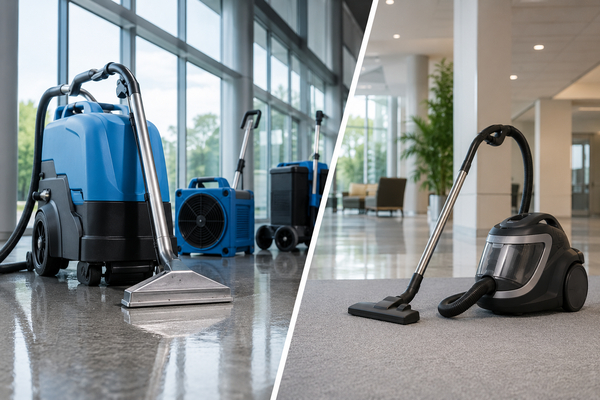
The first category encompasses high performance particulate removal systems, commonly known as HEPA filtration vacuums. While many consumer vacuums claim HEPA compatibility, genuine professional units capture 99.97 percent of particles down to 0.3 microns, including pollen, dust mite feces, pet dander, and fine particulate matter that penetrates deep into respiratory systems. Professional units maintain this efficiency through sealed systems that prevent bypass airflow, a feature rarely found in residential equipment regardless of price point.
For Brooklyn homes, where outdoor particulate from traffic and construction activity infiltrates constantly, this filtration standard matters significantly. Studies of indoor air quality in urban environments demonstrate that effective particulate removal requires equipment capable of maintaining negative pressure during operation, ensuring that disturbed dust is captured rather than recirculated.
Professional grade units achieve this through motor designs that sustain consistent airflow even as collection containers fill.
The second category involves hot water extraction systems for carpet and upholstered surfaces. The science here is straightforward: water heated to appropriate temperatures breaks the surface tension bonds that hold oils and particulate to fibers, while controlled extraction pressure removes the suspended contamination without overwetting materials. Consumer rental units typically lack precise temperature control and generate insufficient extraction vacuum, leaving carpets damp for excessive periods that promote mold growth and rapid resoiling.
Professional extraction equipment maintains water temperatures between 150 and 220 degrees Fahrenheit depending on fiber type, with extraction vacuums capable of removing 95 percent of applied moisture. The drying time differential, four to six hours versus twenty four plus for rental units, represents not merely convenience but fundamental hygiene. Wet carpets beyond twelve hours create conditions for microbial proliferation that professional protocols specifically prevent.
The third category addresses hard floor maintenance through automated scrubbing and polishing systems. Brooklyn's historic housing stock includes original hardwood, terrazzo, marble, and tile installations that require specific mechanical action for safe maintenance. Professional equipment adjusts brush pressure, pad abrasion, and solution application precisely for each surface type, preventing the swirl marks, etching, and premature wear that improper maintenance causes.
The fourth category encompasses specialized tools for detail cleaning: high dusting equipment for crown moldings and ceiling fixtures, crevice tools for track and frame cleaning, and microfiber systems that mechanically remove rather than merely spread surface contamination. These tools, often overlooked in service evaluations, determine whether cleaning reaches the comprehensive standards that protect home environments.
The fifth and increasingly critical category involves eco compatible application systems that reduce chemical usage while maintaining efficacy. Professional equipment increasingly incorporates precision metering, electrostatic application, and encapsulation technology that aligns effective cleaning with environmental responsibility. For Brooklyn families concerned with both efficacy and sustainability, these technologies represent the evolving standard of responsible professional practice.
| Specification | Professional grade standard | Consumer grade typical | Impact on results |
|---|---|---|---|
| Filtration Efficiency | 99.97% At 0.3 Microns (True HEPA) | 85–95% At Larger Particle Sizes | Professional Captures Allergens; Consumer Redistributes Fine Particulate |
| Vacuum Water Lift | 100+ Inches | 40–60 Inches | Professional Extracts Deeply Embedded Soil; Consumer Leaves Residue |
| Extraction Temperature | 150–220°F Adjustable | Uncontrolled, Often Below 120°F | Professional Dissolves Oils; Consumer Leaves Greasy Buildup |
| Moisture Removal Rate | 95% Extraction | 60–75% Extraction | Professional 4–6 Hour Dry Time; Consumer 24+ Hour Risk Period |
| Brush Pressure (Hard Floors) | 50–400 PSI Adjustable | Fixed, Often Excessive | Professional Protects Surfaces; Consumer Causes Premature Wear |
| Solution Metering | Precision Ounces Per Gallon | Estimation Or Manual Mixing | Professional Consistency; Consumer Variability And Residue |
| Motor Lifespan | 2,000+ Hours Commercial Duty | 200–500 Hours Residential | Professional Reliability; Consumer Frequent Replacement |
This comparison illustrates why equipment specification directly correlates with cleaning outcomes. The professional standards represented in the left column require capital investment typically ten to twenty times greater than consumer alternatives, explaining why genuine professional service commands premium pricing.
-(1)-0402194541.png)
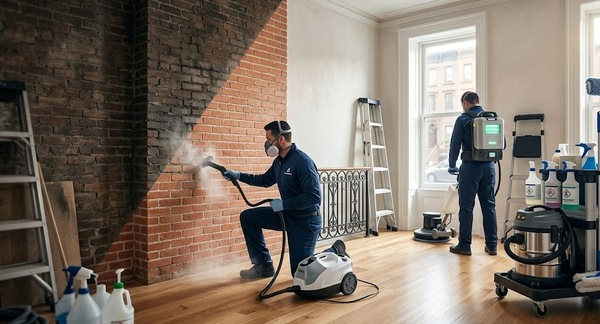
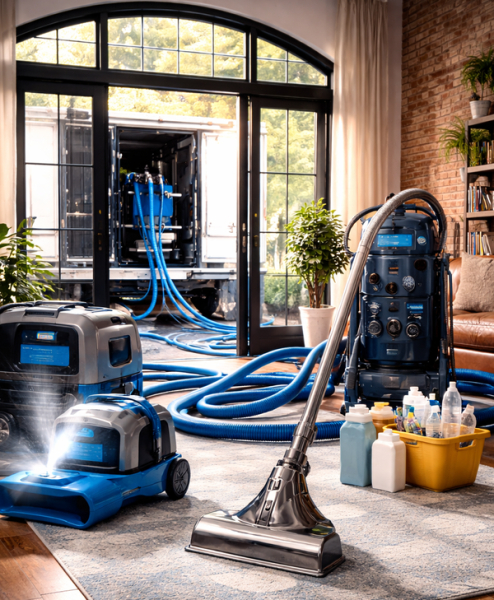
Professional grade hot water extraction system in operation on Brooklyn hardwood flooring, demonstrating controlled temperature and pressure application that protects original finishes while removing embedded contamination. Fuente: Brooklyn Community Kleaners, 2026.
The Brooklyn specific context: Equipment for local challenges
Brooklyn's architectural diversity creates unique cleaning challenges that equipment selection must address. Understanding these local factors helps homeowners evaluate whether a service has invested appropriately for their specific property type.
Pre war buildings, comprising significant portions of Park Slope, Brooklyn Heights, and Bed Stuy, present particular challenges. Original hardwood floors, often oak or maple with oil based finishes, require equipment that cleans without penetrating or dulling historic sealants. Professional scrubbing systems for these surfaces use softer brush configurations and neutral pH solutions that preserve patina while removing modern contaminants.
These same buildings often feature original tile work in bathrooms and kitchens, including mosaic and subway installations with grout lines that have accumulated decades of residue. Professional grout cleaning employs high pressure hot water extraction with specialized tools that reach into recessed joints, equipment capable of controlled pressure that cleans without dislodging historic mortar.
Post war housing stock, including many Midwood and Sheepshead Bay properties, often features wall to wall carpeting installed decades ago. These installations may include asbestos containing backings or adhesives in pre 1980 properties, requiring equipment that cleans without aggressive agitation that could release fibers. Professional services understand these material constraints and select equipment accordingly.
Modern condominiums and new construction in Downtown Brooklyn and Williamsburg present different challenges. Engineered flooring, low VOC finishes, and tightly sealed environments require equipment that maintains indoor air quality during cleaning. Professional HEPA filtration and low moisture extraction systems prevent the off gassing and humidity issues that can trigger complaints in modern buildings with sophisticated ventilation systems.
The brownstone specific challenge involves multiple levels with original staircases featuring carpet runners or bare wood that sees concentrated traffic. Professional equipment must navigate these vertical spaces effectively, with portable units that maintain power standards while accessing upper floors without damage to historic plaster or woodwork.
Ready to experience the difference that genuine professional equipment makes? Brooklyn Community Kleaners serves all Brooklyn neighborhoods with fully equipped teams trained for your specific property type. Schedule your assessment today and receive a detailed protocol recommendation based on your home's unique surfaces and challenges.
Health implications: What equipment standards protect
The equipment choices made by cleaning services directly impact occupant health outcomes, particularly for vulnerable populations including children, elderly residents, and those with respiratory conditions.
Allergen control represents the most significant health benefit of professional equipment standards. Dust mites, the primary trigger for allergic asthma in indoor environments, require specific removal protocols. Consumer vacuums often redistribute mite allergens through exhaust airflow, while professional HEPA systems capture and contain these microscopic particles. For families managing childhood asthma, this technical difference can reduce symptom frequency and medication dependence.
Mold prevention, critical in Brooklyn's humid summer climate and older buildings with imperfect moisture control, depends entirely on extraction capabilities. Professional carpet cleaning that leaves surfaces genuinely dry within hours prevents the conditions that allow mold spore germination. Consumer grade wet cleaning, by contrast, can actually introduce mold problems that did not previously exist.
Chemical exposure reduction emerges from equipment that maximizes mechanical cleaning effectiveness, reducing reliance on aggressive chemistry. Professional equipment removes more soil through physical action, allowing milder, healthier cleaning agents. The encapsulation and precision application systems increasingly used by responsible professionals further minimize environmental chemical load.
Particulate matter reduction, increasingly recognized as critical for cardiovascular and cognitive health, requires sustained filtration performance that only professional equipment maintains. Brooklyn's urban environment generates fine particulate from traffic, construction, and heating systems that penetrates homes continuously. Professional cleaning protocols using appropriate equipment can reduce indoor PM2.5 levels by sixty to eighty percent, contributing to long term health protection.
Evaluating service claims: Questions that reveal equipment reality
Homeowners seeking genuine professional service must look beyond marketing claims to evaluate actual equipment capabilities. Several specific questions help distinguish invested professionals from those merely claiming professional status.
Ask about specific equipment brands and models. Genuine professionals can identify their primary tools by manufacturer and specification. Vague references to commercial equipment without specifics often indicate consumer grade tools or outdated machinery inadequately maintained.
Inquire about filtration specifications. True HEPA certification requires specific testing and documentation. Services should be able to explain their vacuum filtration efficiency and whether systems are sealed to prevent bypass airflow. Claims of HEPA like or HEPA type filtration indicate consumer grade performance, not professional standards.
Request information about water temperature and extraction capabilities for carpet and upholstery services. Professional hot water extraction requires specific temperature ranges and vacuum specifications. Services unable to articulate these numbers likely lack genuine professional equipment.
Ask about drying time expectations. Professional extraction should deliver four to six hour drying under normal conditions. Extended drying times indicate insufficient extraction vacuum, a hallmark of consumer grade or poorly maintained equipment.
Inquire about surface specific protocols. Professional services adjust equipment configurations for different materials. Claims of universal approaches or one method for all surfaces suggest inadequate equipment sophistication or training.
Request documentation of equipment maintenance schedules. Professional machinery requires regular service to maintain specifications. Services without documented maintenance programs operate degraded equipment that fails to deliver rated performance.
Unsure whether your current cleaning service meets professional equipment standards? Brooklyn Community Kleaners offers complimentary equipment and protocol evaluations for Brooklyn homeowners. We will assess your current service's actual capabilities and identify any gaps that may be compromising your home's cleanliness and your family's health. Book your evaluation appointment now.
The economic calculation: Equipment investment and service value
Understanding equipment standards helps homeowners evaluate service pricing appropriately. Professional grade equipment represents significant capital investment, typically fifty to one hundred fifty thousand dollars for a fully equipped operation serving residential clients. This investment, plus ongoing maintenance, training, and replacement costs, necessarily influences service pricing.
However, the economic calculation extends beyond immediate service cost to encompass total cost of ownership for home surfaces and systems. Professional equipment, properly deployed, extends surface lifespans significantly. Carpeting that might require replacement after five years of consumer grade maintenance can deliver fifteen to twenty years of service with professional care. Original hardwood floors, properly maintained with appropriate equipment, last indefinitely rather than requiring costly refinishing or replacement.
For Brooklyn's historic housing stock, where original materials contribute significantly to property values, professional equipment maintenance represents preservation investment rather than mere expense. The distinction between cleaning that preserves and cleaning that degrades often lies entirely in equipment specifications and the training to use them correctly.
Energy efficiency considerations also favor professional equipment despite higher initial service costs. Modern professional machinery operates with greater efficiency, reducing water and energy consumption per square foot cleaned. The environmental cost of frequent surface replacement due to inadequate maintenance far exceeds the incremental service cost of genuine professional care.
Writer's suggestions: Practical wisdom from the field
After years of serving Brooklyn's diverse communities and housing types, I want to share observations that help homeowners maximize the value of their professional cleaning investments.
First suggestion: prioritize equipment over chemistry in your evaluation. Many services market exclusive cleaning solutions or proprietary formulas, but the equipment doing the work matters more than the chemicals applied. A neutral pH solution applied with professional extraction equipment outperforms premium chemistry applied with inadequate machinery. Ask about the tools first, the formulas second.
Second suggestion: request specific drying time commitments and hold services accountable. Extended drying indicates equipment problems or technician error, not unavoidable circumstances. Professional equipment, properly operated, delivers consistent drying performance. If your carpets remain wet beyond eight hours, the service has failed to meet professional standards regardless of other outcomes.
Third suggestion: consider seasonal equipment adjustments. Brooklyn's humidity varies dramatically between summer and winter, affecting drying times and microbial risk. Professional services should adjust their equipment configurations seasonally, perhaps using more aggressive extraction or additional air movement in July versus January. Services applying identical protocols year round lack the sophistication their equipment should enable.
Fourth suggestion: value transparency about equipment limitations. Genuine professionals will acknowledge when their tools are inappropriate for specific situations, perhaps recommending alternatives for delicate antiques or specialized surfaces. Services claiming universal capability with standard equipment demonstrate either ignorance or dishonesty, neither of which serves your interests.
Fifth suggestion: invest in periodic deep extraction even if you maintain regular surface cleaning. The equipment standards discussed here matter most for periodic restorative cleaning that consumer maintenance cannot achieve. Quarterly or semi annual professional service with genuine equipment standards protects the investment you have made in your home's surfaces and systems.
Equipment as indicator of service quality
The cleaning industry suffers from low barriers to entry and inconsistent regulation, making equipment evaluation one of the most reliable indicators of genuine professional capability. Services that have invested in appropriate tools have necessarily committed to professional standards through significant capital allocation. This investment reflects business intent and operational capacity that marketing claims cannot substitute.
For Brooklyn homeowners, particularly those stewarding historic properties or managing family health concerns, equipment standards deserve serious attention in service selection. The technical specifications that distinguish professional from amateur cleaning directly determine outcomes that matter: surface preservation, allergen control, microbial safety, and indoor air quality.
Brooklyn Community Kleaners maintains comprehensive professional equipment across all categories discussed, with regular maintenance schedules and technician training that ensures specification compliance. We believe that equipment transparency serves client interests and distinguishes genuine professional service from market pretenders.
The science of clean ultimately depends on tools that apply scientific principles effectively. Understanding these tools empowers homeowners to demand and receive the service quality their properties and families deserve.
Your Brooklyn home deserves cleaning that protects its value and your family's wellbeing. Brooklyn Community Kleaners combines professional grade equipment with neighborhood specific expertise developed through years of service across the borough. Contact us today to schedule your professional cleaning and experience the measurable difference that equipment standards deliver.
-
-
-
-
-
-
-
-
-
-
-
-
-
-
Sources
American Lung Association. Indoor Air Quality Guidelines: Particulate Matter and Vacuum Filtration Standards. ALA Technical Publications, 2024.
Institute of Inspection Cleaning and Restoration Certification. Carpet Cleaning Standards: S001-2023. IICRC Global Standards, 2023.
Journal of Allergy and Clinical Immunology. Efficacy of HEPA Filtration in Allergen Removal: Meta Analysis of Residential Interventions. Vol. 153, No. 4, 2024.
National Wood Flooring Association. Maintenance and Restoration Guidelines for Historic Wood Floors. NWFA Technical Manual, 2024.
Environmental Protection Agency. Indoor Air Quality and Cleaning Protocols: PM2.5 Reduction Strategies. EPA Indoor Environments Division, 2023.
Carpet and Rug Institute. Seal of Approval Testing Program: Vacuum Cleaner and Extraction Equipment Standards. CRI Technical Specifications, 2024.
Brooklyn Historical Society. Preservation Guidelines for Brownstone and Pre War Residential Interiors. BHS Preservation Manual, 2023.
American Society of Heating, Refrigerating and Air Conditioning Engineers. ASHRAE Standard 62.1: Ventilation and Acceptable Indoor Air Quality. ASHRAE Publications, 2024.
Cleaning Industry Research Institute. Moisture Control in Carpet Cleaning: Mold Prevention Protocols. CIRI Technical Bulletin, 2023.
Brooklyn Community Kleaners Internal Data. Equipment Performance and Client Outcome Analysis, 2020-2025.
Comment